



Blog
Everything you need to know about liquid glass

Everything you need to know about liquid glass
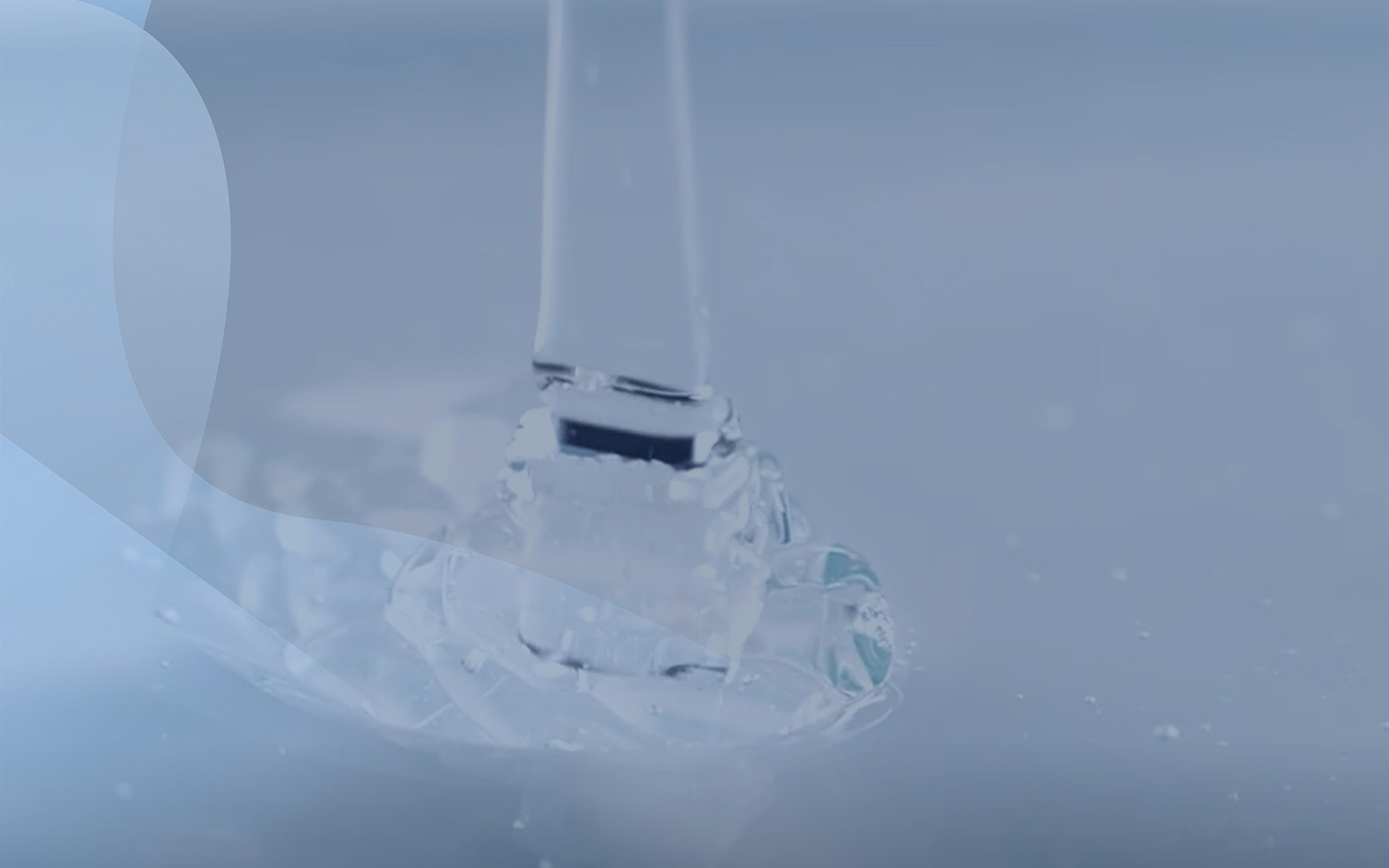
Liquid glass is widely used both in the construction industry and in industry. Today we will touch on the description of liquid glass and the application of the construction field.
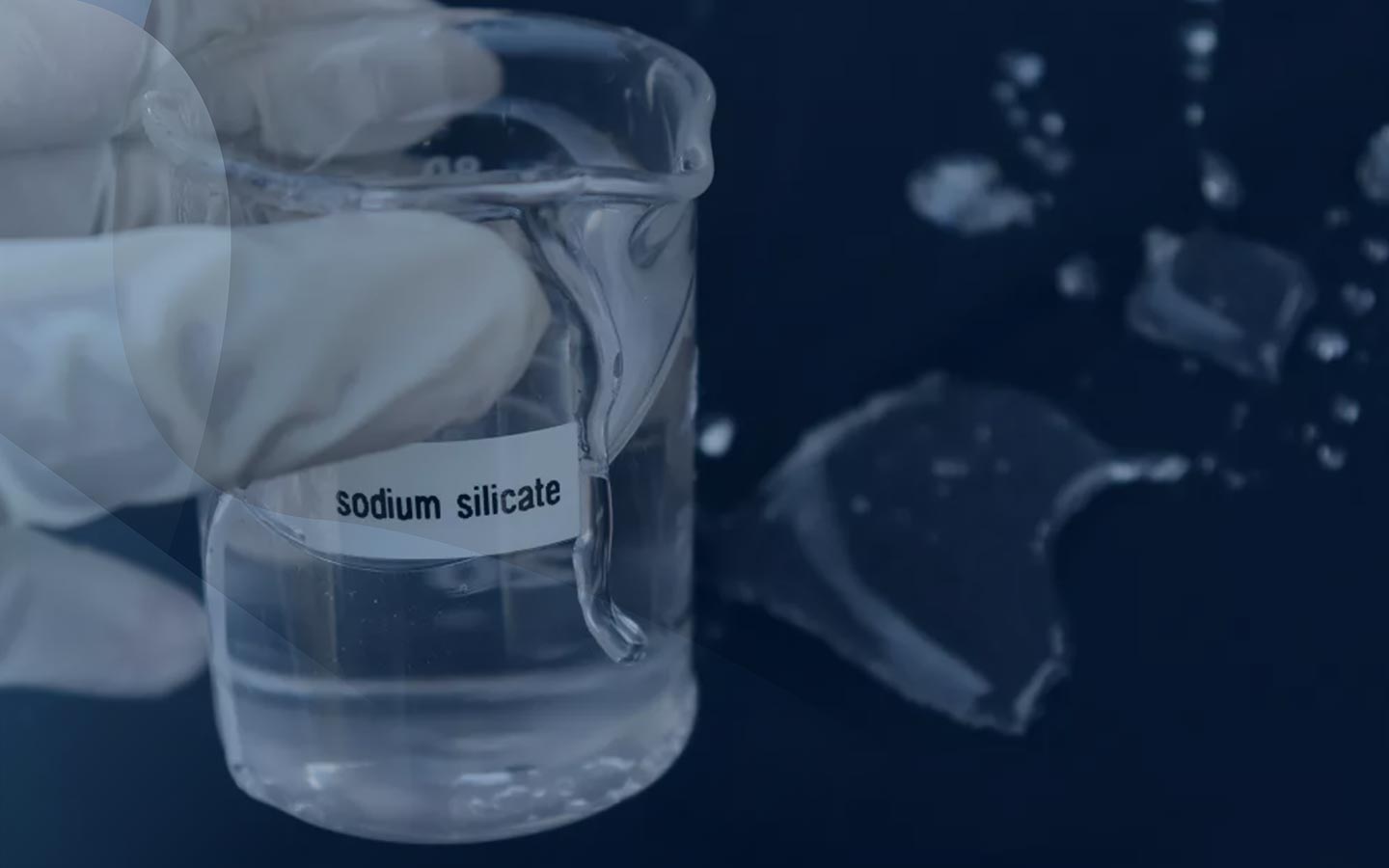
There are many types and methods of waterproofing a space, and liquid glass is considered the most unusual of them. This material is made of sodium and potassium silicates, which in turn are dissolved in water. Such an adhesive mass is perfect for waterproofing any structures.
There are several types of waterproofing with liquid glass, the types differ by potassium or sodium additives.
Sodium-based liquid glass has good stickiness, which allows it to be used in the most critical places, such as foundation waterproofing. It is also used to create antiseptic impregnations. Sodium glass interacts well with mineral compounds.
The second option is liquid glass for waterproofing based on potassium additives. This metal additive makes the glass resistant to all weather conditions. It does not add glare to the treated surface, so this glass can be used as a specialized paint.
Areas of application of liquid glass:
Liquid glass has proven itself well not only as a waterproofing material. It is used as an additive to cement and concrete in order to obtain new grades of mortars. Such a cement mixture with liquid glass not only protects against moisture, but also becomes a good material for strengthening soils.
A solution of liquid glass and cement is used as an additive to the soil. This is necessary to strengthen the foundation in the soil with a small bearing capacity under the future building.
So why is liquid glass added to concrete, since concrete is already strong?
The main reason is that in combination with glass, the structure itself becomes cheaper, while at the same time it resists the influence of a humid environment well. Waterproofing the foundation with liquid glass is especially useful because of the presence of groundwater pressure, and the foundation structure is always exposed to moisture.
In addition, this provides protection against bacteria – during the operation of a concrete structure, fungus or mold will never appear on it.
Traditionally, liquid glass is used to create a protective film on the surface, which prevents moisture absorption, increases wear resistance and protects the decorative layer. However, it should be remembered that if you decide to treat a facade with liquid glass, after impregnation it will have poor adhesion properties. Simply put, a layer of paint will not adhere to it.
Using this material, you can immediately create a floor with good waterproofing, which is impossible to achieve when installing cement-sand or concrete screeds in basements or on floors of a house.
In specialized construction, especially in buildings with high humidity or swimming pools, liquid glass remains popular because it creates the most reliable waterproofing layer on concrete surfaces.
Liquid glass is used in the production of building materials that have good fire resistance. Special types of fire-retardant paints have been developed based on liquid glass. They are produced from two components. From this modern material, you can make a universal adhesive that seals water pipe joints.
Cement mixed with liquid glass is used as a mortar for laying traditional Russian stoves. To prepare such a mortar, take three parts of sand, add one part of cement to it, and then add one-fifth of silicate glue to the resulting mixture. This creates a kind of dough that is suitable for laying a stove or will become an excellent moisture-resistant plaster.
Silicate glue based on glass has generally found wide application not only in the construction industry. Sometimes it is used to glue ordinary polyvinyl chloride tiles or linoleum. From liquid glass, you can make a special putty that is suitable for sealing water pipes. Material impregnated with silicate glue becomes non-combustible. This excellent property has long been noticed and is used for impregnating fabrics, obtaining reliable protective materials.
Gardeners have found a rather unusual use for liquid glass. In spring, tree grafting is required, and after this procedure a small wound remains. Harmful bacteria can appear in it, so gardeners treat the wound with liquid glass. In this case, the wound is simply sealed.
Preparation:
To create a protective film on the surface. The material should be diluted with water in a ratio of 1:2. With this consistency, the consumption is about 300 grams per square meter. Waterproofing with glass is applied to sections of walls with weathered plaster or uneven concrete to strengthen the layer and create antiseptic protection.
Different application methods affect the outer layer of the concrete surface in different ways. The use of liquid glass for waterproofing begins with surface preparation: it is degreased and cleaned, along with leveling the areas if necessary. To impregnate concrete to a shallow depth of no more than 2 mm, a regular brush or paint sprayer is used. If deep protection is required, liquid glass is applied in several layers so that the impregnation reaches 20 mm.
To prepare liquid glass for waterproofing concrete, it must be mixed with concrete mortar in a ratio of 1:10. This mixture can be used in wells, swimming pools, bathrooms, to protect basements from groundwater pressure, as well as for all concrete and reinforced concrete structures. The material is applied to the surface very simply and during application fills all irregularities, creating a surface impermeable to moisture.
To prepare a cement mortar, add liquid glass at a rate of one liter of glass per ten liters of concrete mortar. This material is also suitable for anti-corrosion treatment of metal structures. Waterproofing swimming pools with liquid glass is especially necessary, as only this material can fully protect against leaks.
Attention! Do not forget about safety measures: if you are working with liquid glass, you need to use protective clothing.
Contacts

Company phone numbers:
+375 (29) 688-27-06
+375 (17) 388-28-02 accountant
+375 (17) 388-28-03 sales department

Email address:


Social network chat:

Social network chat:


