



Blog
How to calcinate electrodes?


How to calcinate electrodes?
The content of welding electrodes must meet a number of requirements for warehouse storage in accordance with GOST 9466-75.
Everyone knows that electrodes are stored in a dry, heated room at a temperature of plus 15 ° C in conditions that protect them from contamination, moisture and mechanical damage. Under these conditions, the shelf life of the electrodes is unlimited.
Unfortunately, it is sometimes not possible to achieve such ideal storage conditions, so welding electrodes may not meet all welding quality requirements during work. In this case, it is necessary to have at hand an electric stove, a thermos pencil case or a thermal pencil case for calcining the electrodes.
Such a furnace will help to dry the welding electrodes and prepare them for work in production or at home. The price of such a device is affordable and depends on the possible functionality and manufacturer. It has a small size and is ready for use at home.
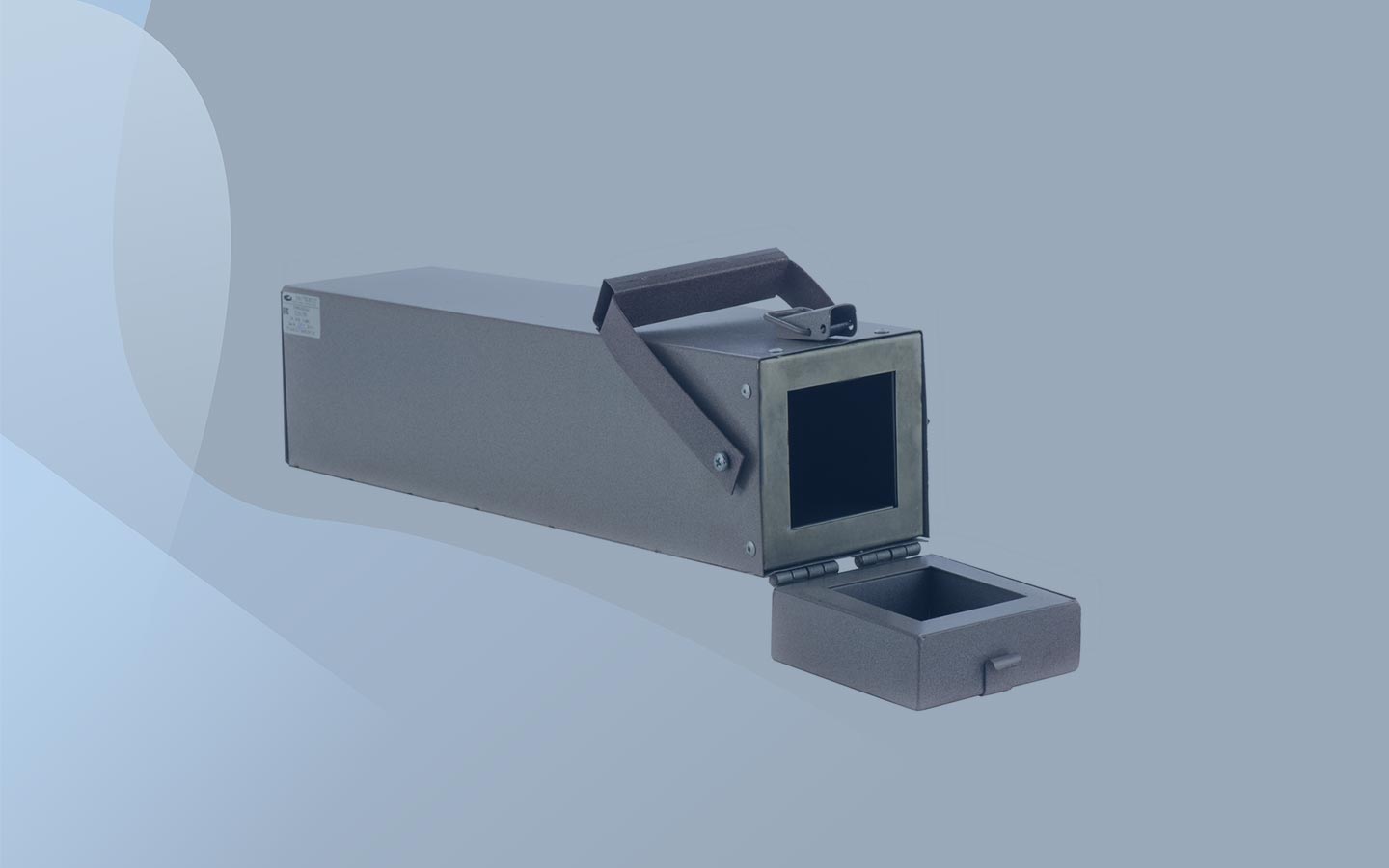
What is the difference between a thermos pencil case and an electric furnace for calcining electrodes?
A thermos flask for calcining electrodes, or thermopenal, as it is called in another way, makes it possible to calcinate from 5 to 10 kg of welding electrodes at the right temperature. The temperature limiter in automatic mode will not allow overheating and will protect the operation of the thermal boiler.
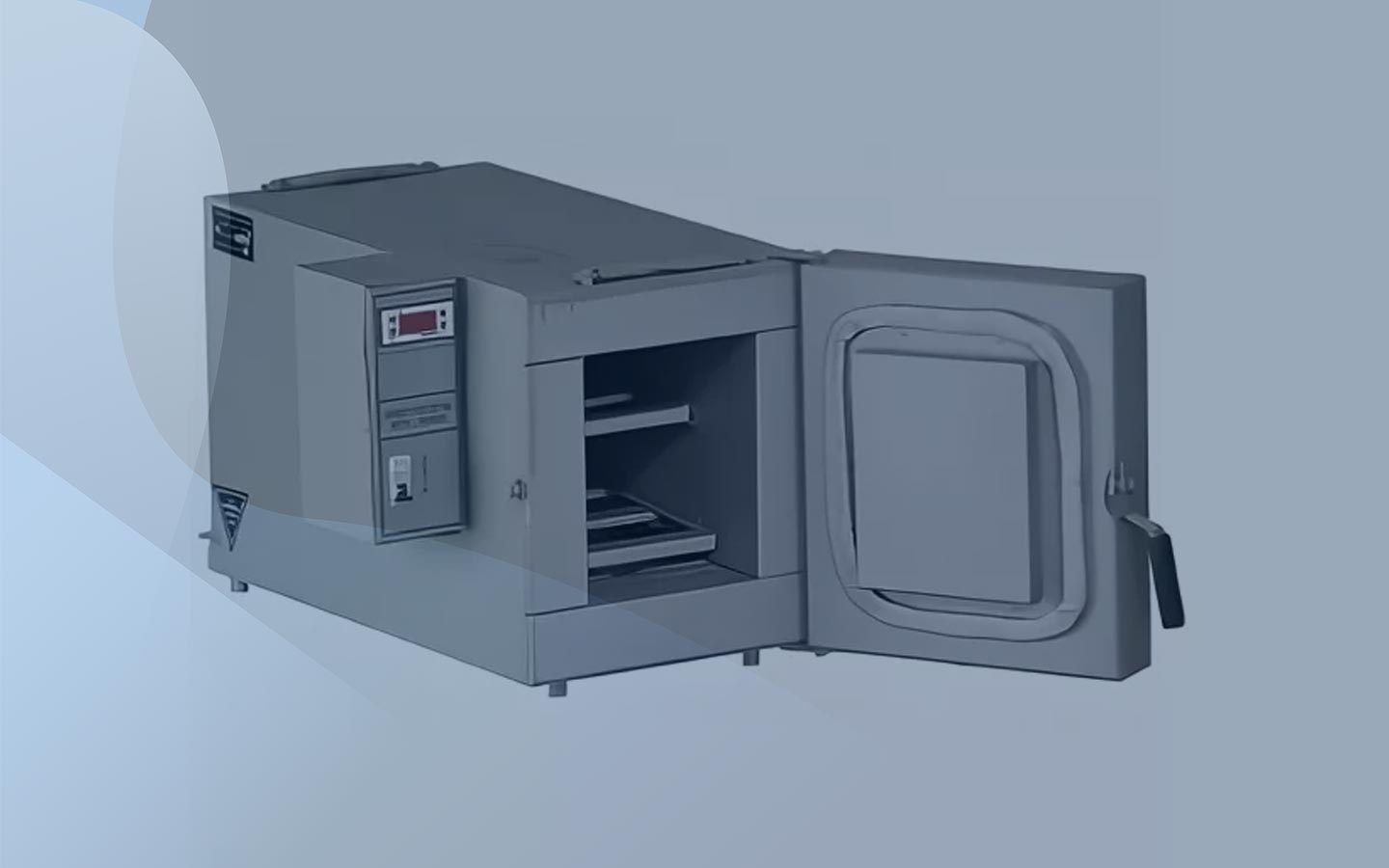
An electric furnace for calcining electrodes will prepare for operation a larger number of welding electrodes than a thermal furnace – already up to 40 kg. The operating temperature is 400 degrees with a maximum time of 2 hours and 20 minutes when the chamber is fully filled.
You can find out how to burn the electrodes by reading the instructions provided with such a stove. You can order a stove from our company in the sales department by calling the phone numbers in the header of the website. Our managers are always ready to advise clients on how to puncture the electrodes and how important it is to obtain a high-quality result.
Contacts

Company phone numbers:
+375 (29) 688-27-06
+375 (17) 388-28-02 accountant
+375 (17) 388-28-03 sales department

Email address:


Social network chat:

Social network chat:


